
Mediterranean yacht jobs 2026: the insider guide for international crew
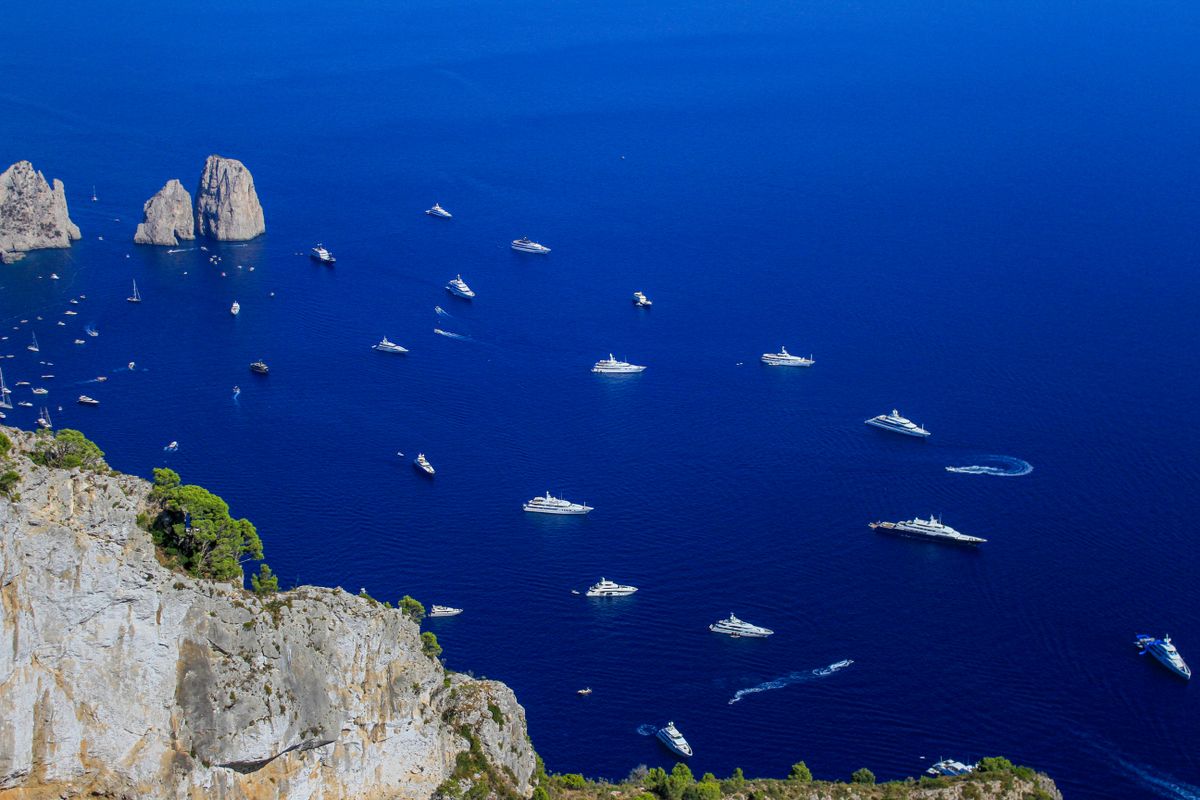
The Mediterranean accounts for roughly 30% of global superyacht activity. Every summer, thousands of vessels cross from the Atlantic, reposition from the Caribbean, or come out of winter refit to start the season. That means thousands of crew positions open simultaneously — if you know where to look and when.
This guide maps the entire Mediterranean job market for nautical crew, so you can plan your season strategically.
The Mediterranean season at a glance
The core season runs from May to October throughout most of the Mediterranean. But each region has its own micro-season:
| Region | Peak Season | Fleet Type | Crew Demand |
|---|---|---|---|
| French Riviera (Antibes, Monaco) | June–September | Superyachts 30m+ | Very High |
| Spain (Ibiza, Mallorca, Barcelona) | May–October | Charter yachts 10–40m | Very High |
| Italy (Sardinia, Amalfi, Portofino) | June–September | Luxury motor yachts | High |
| Greece (Cyclades, Ionian, Dodecanese) | April–October | Sailing yachts + motor | Very High |
| Croatia (Split, Dubrovnik) | May–October | Bareboat + crewed sailing | High |
| Turkey (Bodrum, Marmaris) | May–October | Gulets + motor yachts | Medium |
| Gibraltar | Year-round | Transatlantic passage | Medium |
| Malta | Year-round | Charter + refit | Medium |
Salary comparison across the Mediterranean
Salaries vary significantly by region, vessel size, and flag state. Here is a realistic comparison for standard roles:
Skipper / Captain
- French Riviera: €7,000–14,000/month (large superyachts)
- Italy (Sardinia): €4,000–9,000/month
- Spain (Ibiza, Mallorca): €2,500–6,000/month
- Greece: €2,500–5,000/month
- Croatia: €2,000–4,500/month
- Turkey: €1,500–3,500/month
Stewardess / Hostess
- French Riviera: €2,800–5,000/month
- Italy: €2,200–4,000/month
- Spain: €1,800–3,500/month
- Greece: €1,800–3,500/month
- Croatia: €1,600–3,000/month
Deckhand / Sailor
- French Riviera: €2,200–3,800/month
- Italy: €1,800–3,200/month
- Spain: €1,500–2,800/month
- Greece / Croatia: €1,500–2,800/month
- Turkey: €1,000–2,000/month
Where to base yourself for maximum opportunities
If you're new to the Mediterranean crew market and unsure where to start, here are the three best bases by career stage:
Entry level (first or second season)
Palma de Mallorca or Ibiza (Spain) — The Spanish Balearics have the highest density of charter companies relative to vessel size, meaning more openings for junior crew. Yemplea operates primarily in this market. Competition is high but so is volume.
Split (Croatia) — Easier to break into than Antibes or Italy. The bareboat fleet creates constant demand for deck crew with basic sailing experience.
Mid-career (2–4 seasons)
Athens or Lefkada (Greece) — Greek operators value experienced crew and the salary step-up from Spain/Croatia is meaningful. Sailing experience on larger vessels becomes relevant here.
Palermo or Olbia (Italy) — Italian operators particularly value attention to service detail and presentation. Mid-career stewardesses find excellent opportunities here.
Senior level (5+ seasons, officer certificates)
Antibes (France) — The global superyacht market. If you have OOW, Captain 3000GT or Chief Officer certifications, this is where the top salaries are. Expect a longer job search (2–3 months) but a significant salary uplift.
Essential certifications for the Mediterranean
The minimum viable certification set for working across the Mediterranean:
- STCW Basic Safety Training (mandatory on commercial vessels over 12–24m depending on flag)
- ENG1 / STCW medical certificate
- First Aid certification
- Powerboat Level 2 or equivalent (for tender driving)
- PPER, PNB or equivalent (for skippers on Spanish vessels)
Additional certifications that significantly increase your hireability: WSET Level 1 (for stewardesses), professional cook qualification (for chefs), marine engineering certificate (for engineer roles).
How to run a multi-region Mediterranean job search
The most effective strategy for international crew in 2026:
- Create your Yemplea profile — Select all Mediterranean zones as preferences. Our database includes companies operating across Spain, the Balearics, and increasingly across the wider Med.
- Target specific bases — Email charter companies in your target zones in February–March. A personalised email with CV converts better than generic applications.
- Use specialist crew agencies for the Riviera and superyacht market — Faststream, Luxury Yacht Group, and Quay Crew have strong networks in Antibes and Monaco.
- Follow the fleet — In October, many yachts move to the Caribbean. Positioning yourself for a passage crew role in Gibraltar or the Canaries gives you a foothold in the winter market.
Register free at yemplea.com — the nautical jobs platform connecting crew directly with employers across the Mediterranean, with no commissions.
Taxes and employment across borders
Working across multiple Mediterranean countries in one season creates tax complexity. General principles:
- EU citizens can generally work freely in all EU Mediterranean countries.
- Most yacht employment is structured through the vessel's flag state — a Cayman-flagged yacht in Greek waters employs you "offshore" not "in Greece".
- If you're on a Spanish-flagged vessel for more than 183 days in Spain, you may have Spanish tax residency implications.
- Consult a maritime tax specialist (KPMG Maritime, or specialist yachting accountants) if you earn above €40,000/year or work in multiple jurisdictions.
The bottom line
The Mediterranean is the best place in the world to build a nautical career. The season is long, the pay is competitive, and the lifestyle — waking up in a different harbour every morning — is hard to match. Start on the Spanish coast or in Croatia, build your certifications and references, and work your way up to the Riviera. Yemplea is here to connect you to the right companies at every step of that journey.
Find work on Yemplea
Skipper / Captain jobs — 2.500 – 4.500€/mes/month