
Hiring superyacht crew in the Mediterranean: what employers need to know 2026
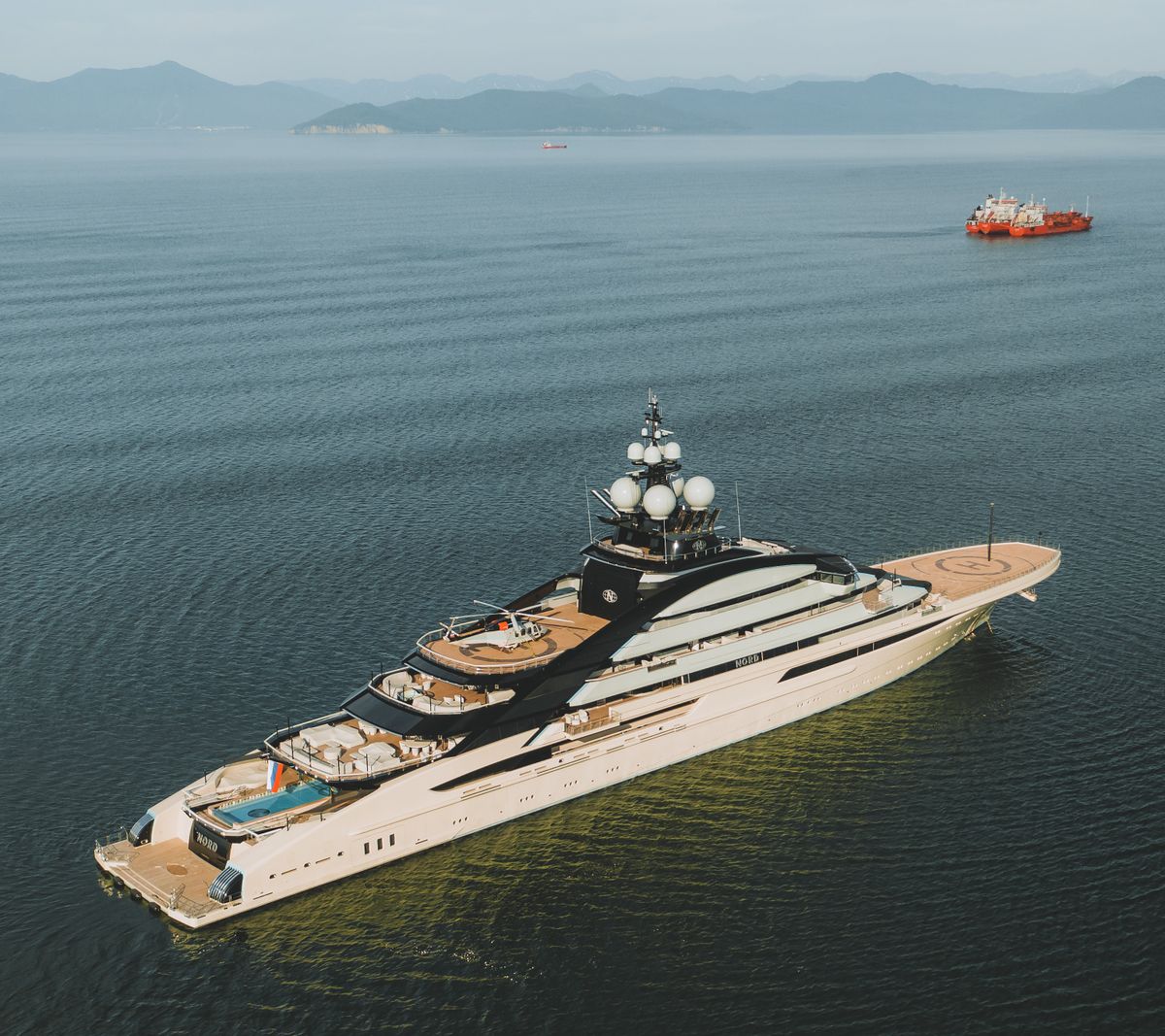
The superyacht industry operates at a different level than standard charter. Vessels over 30 metres, international itineraries, demanding owners, and crew who need not just certifications but genuine professionalism. This guide is for captains, management companies and owners navigating crew recruitment in the Mediterranean in 2026.
The superyacht crew market in 2026
The Antibes/Côte d'Azur area remains the primary superyacht crew hub, with Port Vauban hosting the world's largest concentration of vessels over 24 metres. Other significant crew markets include Palma de Mallorca (growing rapidly post-2022), Athens/Piraeus for the Greek fleet, and Split for the Adriatic.
The market is currently candidate-short for experienced officers, chief stewardesses with luxury hospitality backgrounds, and qualified yacht chefs. Entry-level positions (junior stewardesses, deckhands) remain competitive from the candidate side.
Certifications for superyacht crew
For vessels over 500 GT or carrying more than 12 passengers commercially:
- Officers: STCW Officer of the Watch (OOW) or higher. For command: Master 3000 GT or equivalent flag state certification.
- All crew: STCW Basic Safety Training (refreshed every 5 years post-Manila amendments)
- Interior crew: Food safety certificate, first aid, crowd management for vessels over 24m carrying passengers
- Deck crew: Powerboat Level 2/PWC for tender operations, PADI Open Water minimum for swim/dive support
Salary benchmarks — Mediterranean superyachts
French Riviera (Antibes, Monaco, Cannes)
- Captain (40m+): €7,000–14,000/month + accommodation + tips
- Chief Officer: €4,500–7,000/month
- Chief Stewardess: €3,500–5,500/month
- Stewardess: €2,800–4,500/month
- Yacht Chef: €4,000–7,000/month
Spain (Mallorca, Ibiza)
- Captain (30m+): €4,000–8,000/month
- Chief Stewardess: €2,800–4,500/month
- Yacht Chef: €3,000–5,500/month
Agencies vs direct recruitment for superyachts
For superyachts, the agency model makes more sense than for standard charter for three reasons: (1) the candidate pool for experienced officers is smaller and agencies have cultivated relationships over years; (2) the cost of a bad hire on a 50m vessel is catastrophic; (3) reputable agencies offer replacement guarantees.
That said, for mid-level positions (stewardesses, deckhands, junior chefs), direct platforms like Yemplea increasingly reach qualified candidates without the 15–20% placement fee. Many crew members active in the Mediterranean maintain profiles on both agency rosters and direct platforms.
The role of Yemplea in superyacht recruitment
Yemplea bridges the Spanish and Mediterranean markets — connecting employers directly with candidates who have declared their certifications, experience and preferred zones. The platform is particularly strong for Spanish-flagged and Balearics-based vessels, and is expanding its Mediterranean coverage.
Create your free employer account at yemplea.com and access profiles across Spain, France, Greece and Croatia — with direct messaging, no placement fees.