
Deckhand jobs on yachts: how to find work in Spain 2026
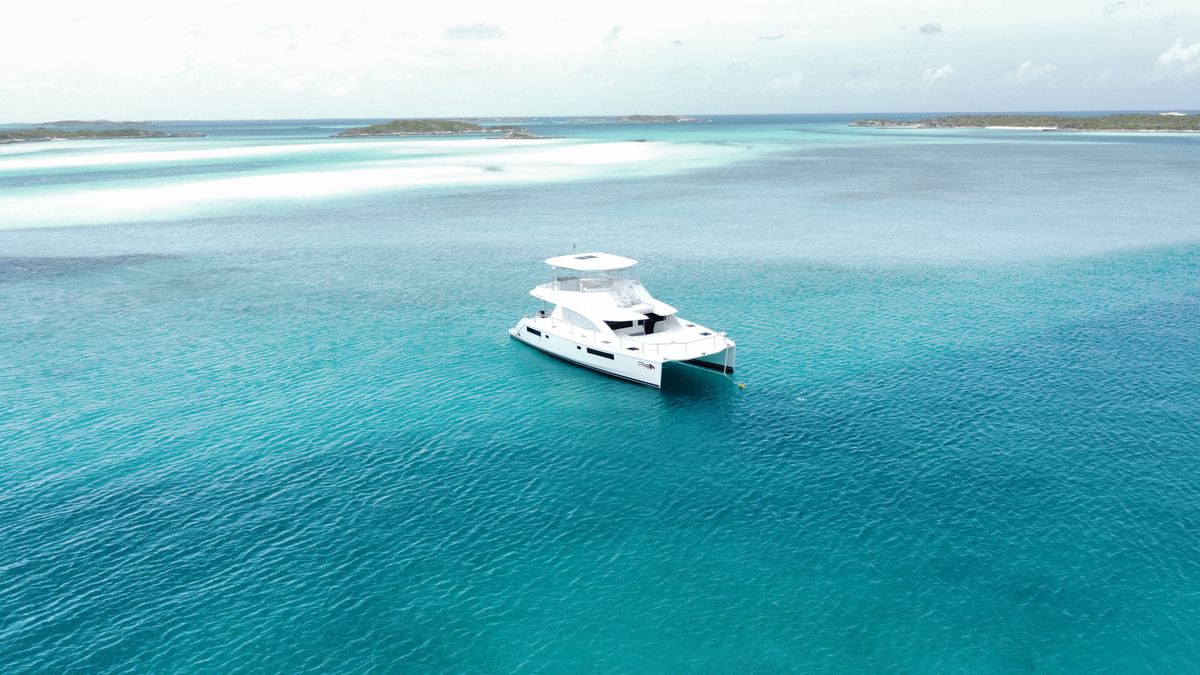
Deckhand is the most accessible entry point into professional yachting — and one of the most in-demand positions on platforms like Yemplea.com during the Mediterranean season. If you are looking for deckhand work in Spain, this guide tells you exactly what you need, what you can earn and where to look.
What does a yacht deckhand do? Real duties on board
The deckhand is responsible for maintaining, cleaning and operating the vessel under the orders of the captain or first mate. Duties vary by vessel size but typically include:
- Cleaning and maintenance of deck, cabins and exterior areas
- Handling lines, rigging and berthing manoeuvres
- Assisting with anchoring, docking and tender operations
- Operating safety equipment (life rafts, fire extinguishers, PPE)
- Guest service on charter vessels
- Night watches on longer passages
On charter yachts under 24 metres, the deckhand is often multi-tasking: helping in the galley, managing the tender and occasionally serving guests. On superyachts, responsibilities are more clearly defined.
How much does a yacht deckhand earn in Spain?
A yacht deckhand in Spain earns between €1,400 and €2,200 gross per month during the season, usually with accommodation and meals included. On larger vessels or premium areas like Ibiza and Mallorca, pay can exceed €2,500/month.
| Position | Monthly salary | Accommodation included |
|---|---|---|
| Entry-level deckhand (charter) | €1,400–€1,700 | Yes |
| Deckhand with 1–2 seasons | €1,700–€2,200 | Yes |
| Private yacht deckhand (>24m) | €2,000–€2,800 | Yes |
| Superyacht deckhand (>30m) | €2,500–€3,500 | Yes |
Source: Yemplea.com — Spanish nautical market data 2026
On top of base salary, charter tips can represent an additional 10–20% of monthly pay on luxury vessels.
What certifications does a yacht deckhand need?
STCW Basic Safety Training is the most important and most requested certificate. It is mandatory for professional work on vessels over 24 metres and highly valued on any yacht. It covers four modules: personal survival, basic first aid, fire prevention and elementary first aid.
In addition to STCW, these qualifications significantly improve your prospects in Spain:
- PER or PPER — required to skipper under Spanish flag and operate the tender
- Maritime medical certificate — required for most professional contracts
- ENG1 — recognised on MCA-flagged vessels
STCW basic can be completed in 4–5 days at approved centres in Barcelona, Palma de Mallorca and Valencia for approximately €400–€600. It is the best investment you can make to enter the sector.
Where to find deckhand jobs in Spain
The best deckhand markets in Spain are Ibiza, Palma de Mallorca, Barcelona, Marbella and the Canary Islands in winter. The most effective ways to find work:
- Yemplea.com — Spain's specialist nautical jobs platform with direct listings from charter companies and private owners
- Direct port visits — bring a CV to the pontoons in March–April before the season starts
- Daywork at STP Palma or Marina Ibiza — working by the day during winter refit is the best way to get references
- Industry networks — Instagram, Facebook groups for nautical crew
Peak hiring is February to May. If you wait until June, most boats already have their seasonal crew in place. Create your Yemplea profile so charter companies can find you directly.
Deckhand vs marina worker: which to choose?
There are two distinct profiles: the marina worker works in nautical facilities (marinas, boatyards) with fixed hours and a standard employment contract, while the yacht deckhand embarks and lives on board during the season. Salaries are similar, but the yacht deckhand gets accommodation included, greater geographical mobility and better progression towards a skipper role.
For more detail, see our nautical salary guide and our article on how to get your first deckhand job.
Carlos Vega
Former charter skipper in Ibiza with 8 years of experience. Now helps new professionals enter the nautical sector.